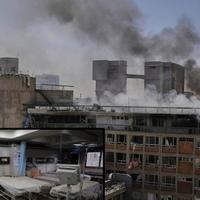


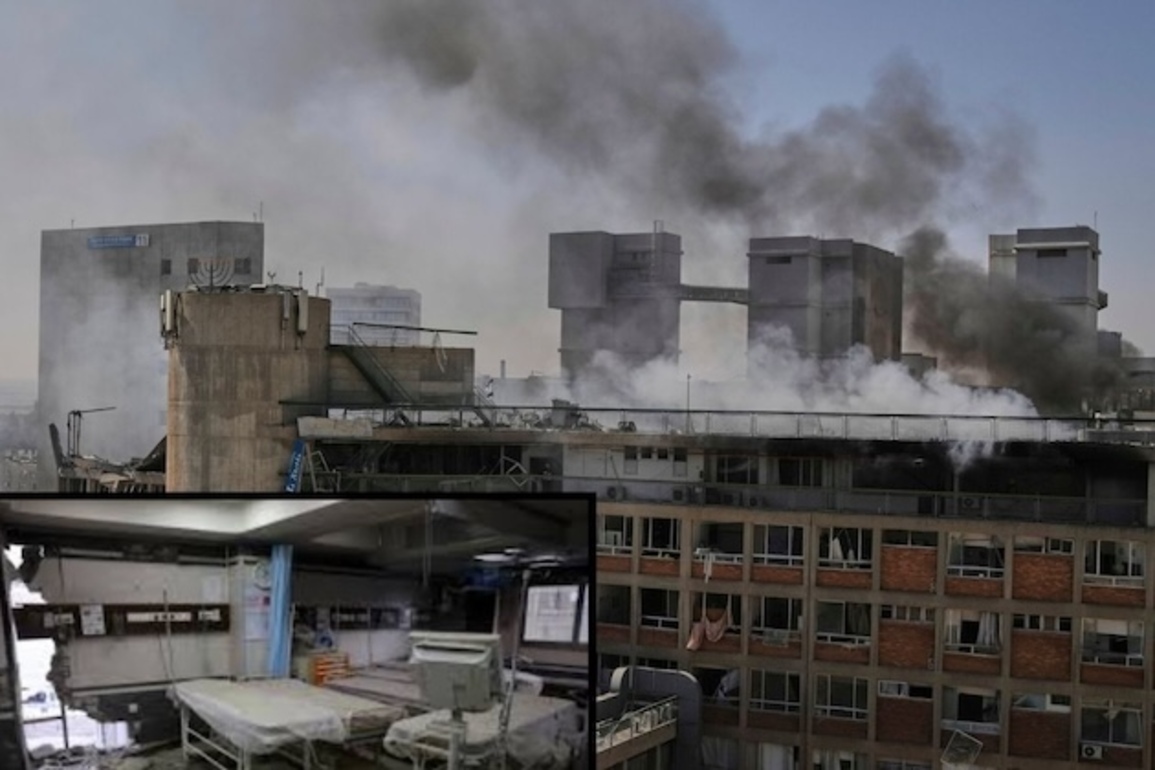
The health crisis in Iran and across the Middle East is "escalating rapidly," reported Hanan Balkhy, WHO's Regional Director for the Eastern Mediterranean. She was speaking at a WHO press conference on March 5, 2026, convened to discuss the latest developments in the war initiated on Feb 28 by the US and Israel against Iran. WHO's Director-General, Tedros Adhanom Ghebreyesus, was "deeply concerned" that the conflict had already spread to 16 countries, with over 1000 deaths in Iran, evidence of attacks on health facilities, and substantial population movements—approximately 100 000 people displaced from Tehran and 60 000 within Lebanon. Balkhy reported 13 attacks on Iranian health facilities; 43 primary health clinics and two hospitals have been forced to close. According to WHO sources, there have been intentional attacks on health facilities in Lebanon and Iran. This conflict is worsening existing humanitarian emergencies in the region.
In Gaza, the health situation was already fragile. To meet basic needs, 600 aid trucks must cross into the Gaza Strip each day. The actual figure is 100–150. The Iran war has temporarily shut entry points, cutting off thousands of Gazans from access to urgently needed health care. In the West Bank, the Israel Defense Forces have restricted access through checkpoints, also diminishing access to health care.
There are wider dangers. Attacks on oil installations in Iran and neighbouring countries risk wide-scale environmental pollution. The Bushehr nuclear power plant lies on Iran's southern coast. If hit by missiles, radionuclide contamination is a possibility—a low likelihood, but high impact, outcome. WHO is offering support to countries, especially readiness for mass casualty events. Health emergencies do not only result from direct damage to health systems. Attacks on infrastructure can disrupt supplies of safe water and energy. WHO's in-country emergency teams are working with local Ministries of Health to establish surveillance systems to detect emerging or re-emerging pathogens.
War also creates new barriers. Dubai is an important logistics hub for WHO. Its work has been suspended while the conflict is ongoing, interrupting supplies of emergency kits, medicines and vaccines, and laboratory materials. Money is short. WHO's contingency fund is dangerously low. The agency aims to keep US$100 million available to draw on for new emergencies. That fund has fallen to below $20 million.
But do not underestimate Iran's resilience, at least from the perspective of health. Iran has a strong primary health-care system, with an array of robust capabilities that should be able to absorb the health consequences of the current war. The government has mobilised 2 million people to boost health-care capacity. According to WHO, Iran is in a good position to meet the health needs of its population. However, those undergoing elective surgery, awaiting diagnostic investigations, depending on regular supplies of medicines, receiving antenatal care, or relying on complex services, such as dialysis, will suffer health-harming disruptions to their continuity of care.
Pete Hegseth, US Secretary of War, said on March 4 that "we are just getting started". What began as an attack against one country may grow into a full-blown regional conflagration. WHO's priorities are to protect their teams in country; to test scenarios to optimise responses to, for example, disease outbreaks and mass population movements; to pre-position logistics and to conduct rapid health-system assessments. Tedros has called for "the utmost restraint and for voices of wisdom and peace to rise above [the] sound of bombings". "Peace is the best medicine", he says. But this war comes as Iran's economy is contracting, living standards are falling, poverty is rising, and the size of the middle class is fast diminishing.
As recent street protests have shown, many Iranians who have hitherto been silenced are clamouring for change. Iran's violent authoritarian regime and the government's economic mismanagement are less and less tolerated. But, as Vali Nasr points out inIran's Grand Strategy: A Political History(2025), the West's "understanding of Iran's strategic calculations is hopelessly inadequate and dangerously outdated". So, when belligerents revel, to quote Hegseth, in the "quiet death" they are imposing "without mercy", they fail to understand that the current Iranian regime defines itself through resistance to centuries of western interference in the country's affairs. The room for wisdom and peace feels severely curtailed.
Richard Horton | The Lancet
Contact: [email protected]